
About Madrasa
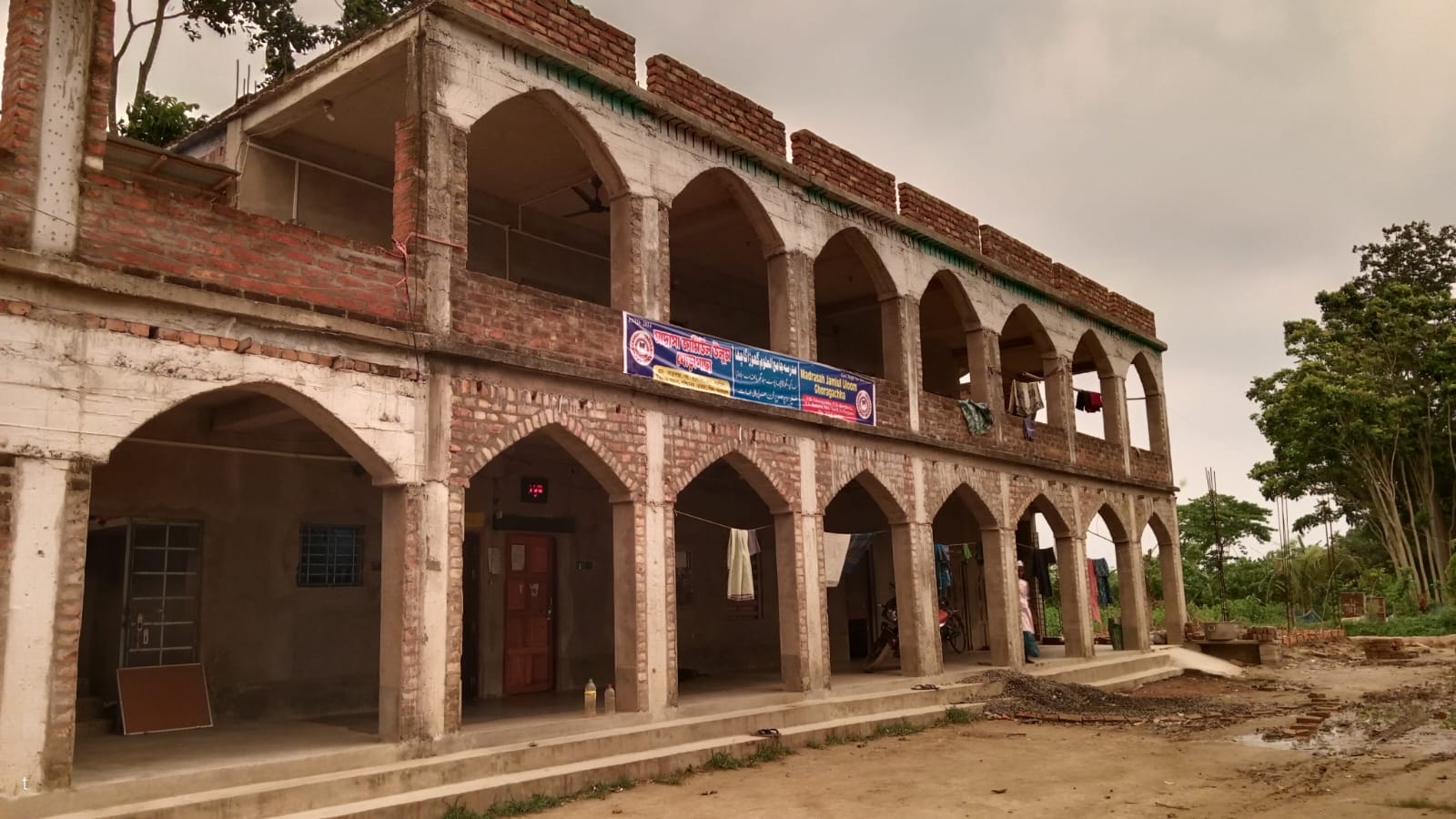
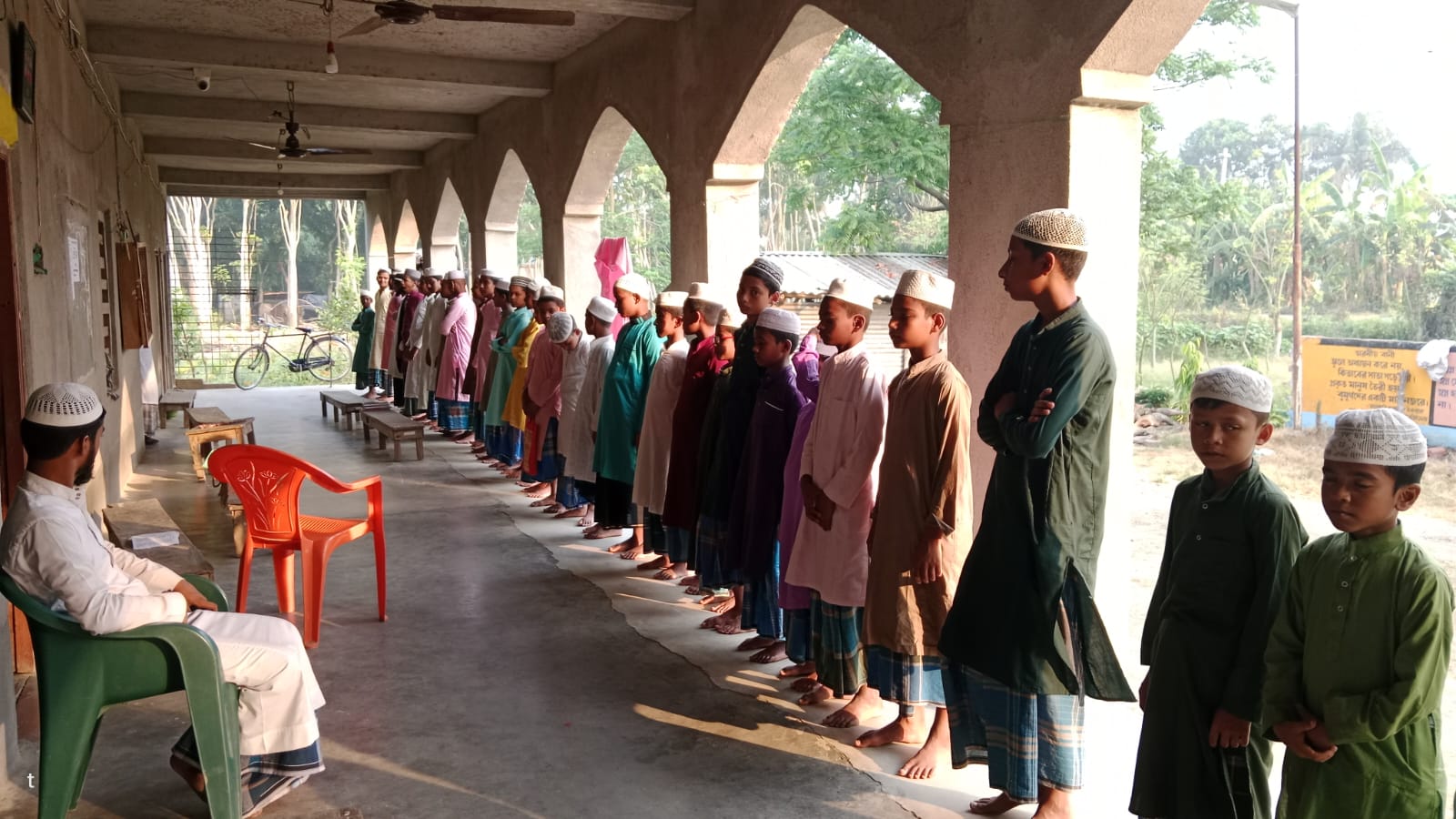
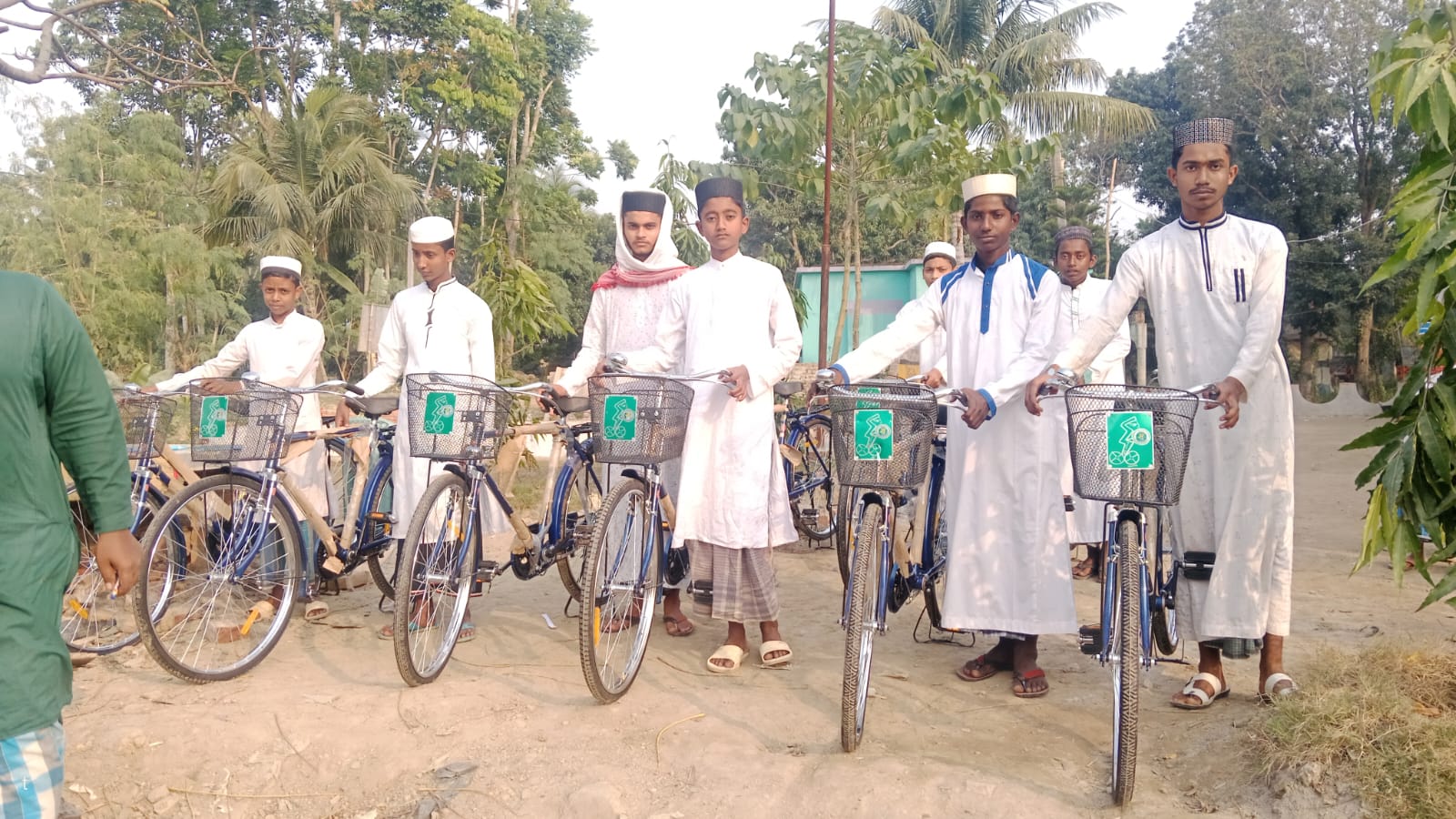
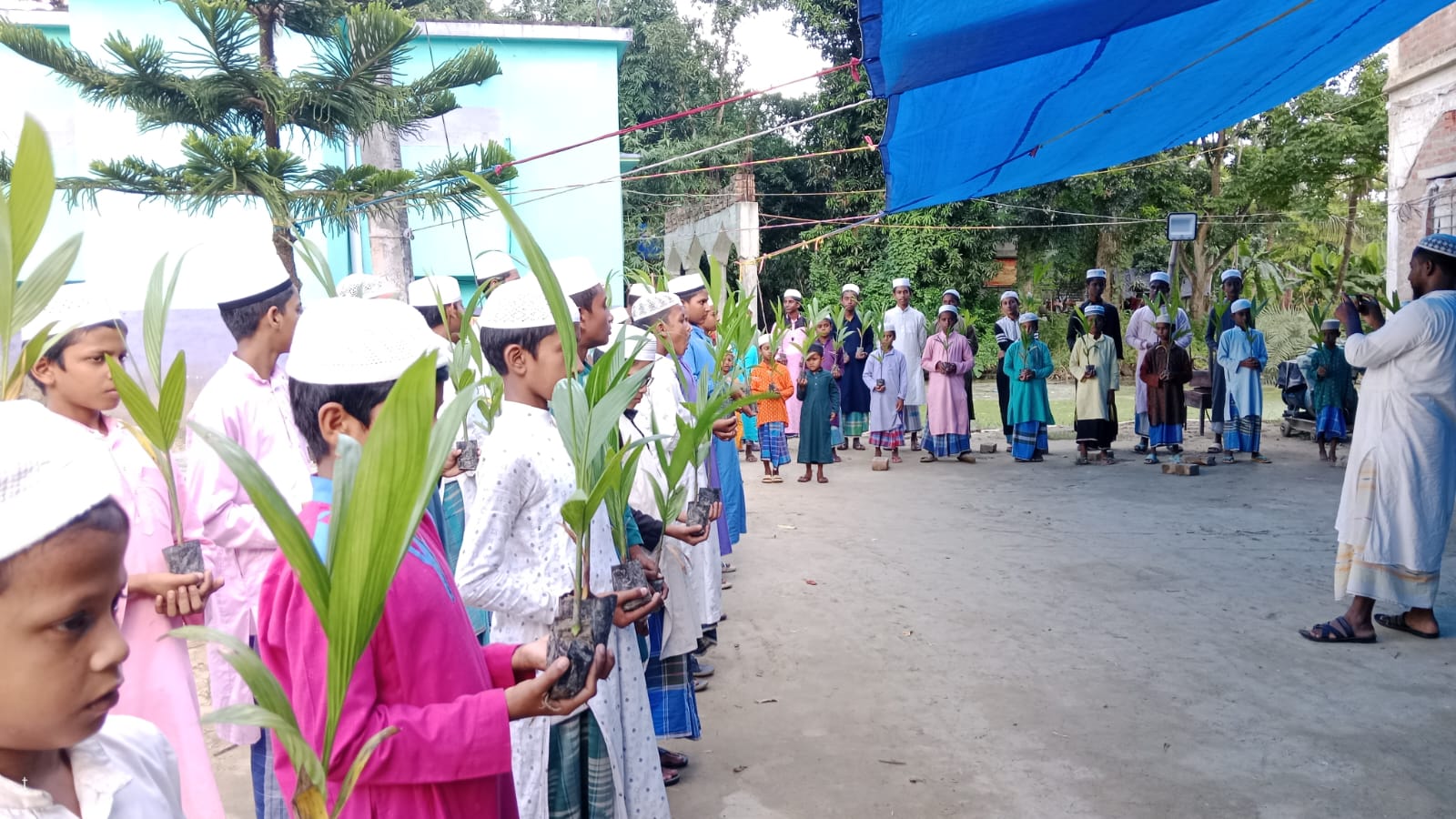
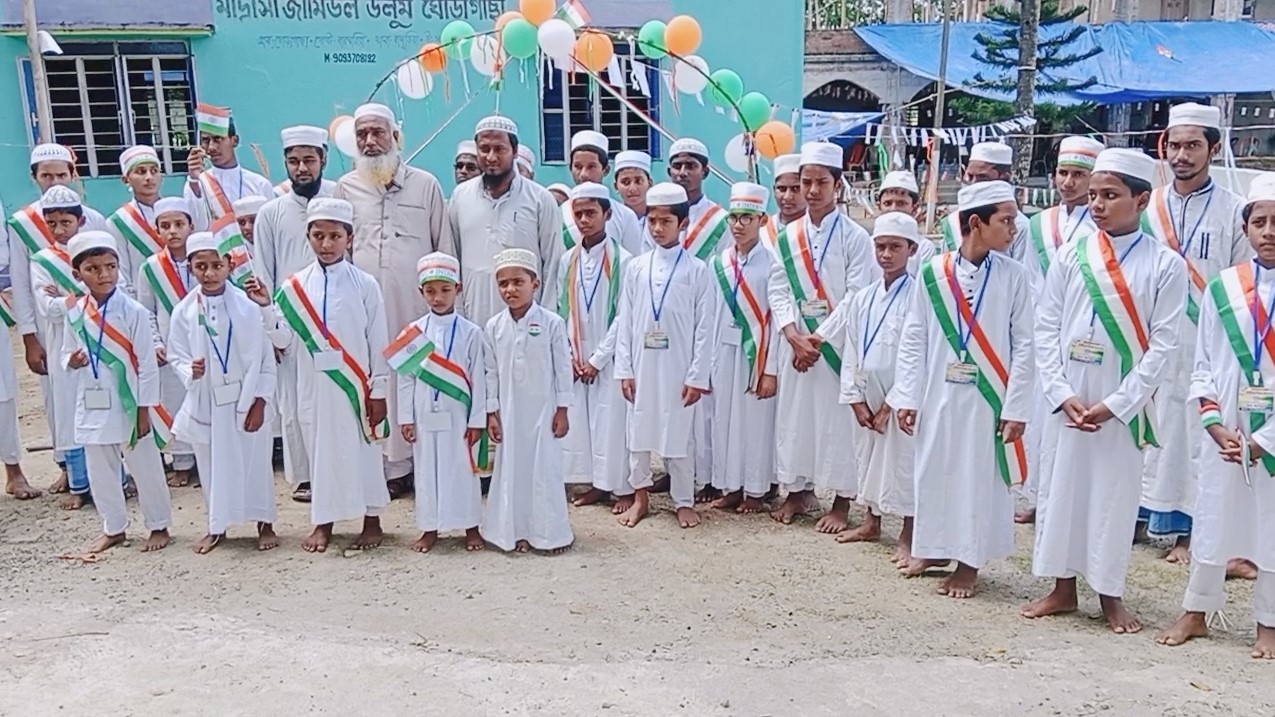
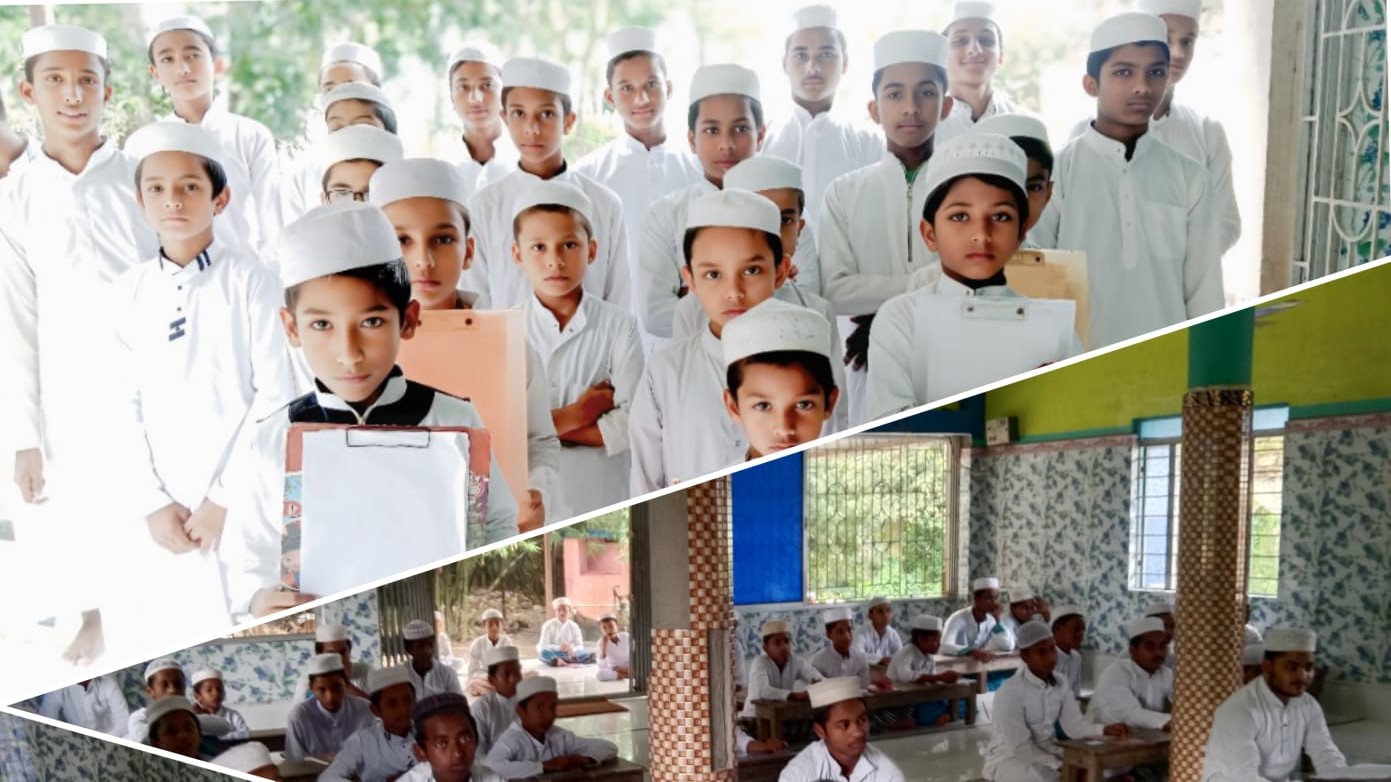
Introduction and Activities of Madrasah
Why was Ghoragacha Madrasah established?
Ghoragacha village, located a little away from the town under Basirhat subdivision in the Baduria police station area of North 24 Parganas district, West Bengal, has a significant Muslim population. However, there was no proper arrangement for Islamic education in the region. Therefore, to spread Islamic teachings and bring the younger generation under the shade of Islamic knowledge, it was decided—on the advice of respected scholars and local elders—to establish an Islamic educational institution named Ghoragacha Madrasah.
Foundation
Under the supervision of Hazrat Maulana Arafat Hossain and Mufti Golam Mortaza Qasemi, and with the wholehearted cooperation of the local residents, the madrasah was established on land donated by the late Halima Bibi, wife of the late Haji Amjad Hossain. The foundation of Jamiul Uloom Ghoragacha was laid by Hazrat Maulana Nazrul Islam on 19th Rajab 1436 Hijri, corresponding to 1st May 2015 (Friday), 17th Baishakh 1422 Bengali year.
Prominent attendees included Maulana Arafat Hossain, Mufti Golam Mortaza Qasemi, Hafiz Mohidul Islam, the late Mokarram Hossain, Haji Mozzafar Hossain, Haji Anwar Hossain, and many other respected local individuals—over four hundred people in total.
Type of Institution
Kharezi Madrasah — a private residential, multi-purpose Islamic educational institution.
Alongside religious studies, students also receive general education up to the secondary level.
Key Administration
Chief Director: Maulana Arafat Hossain
Secretary: Mufti Golam Mortaza Qasemi
Location: Ghoragacha, Baduria, North 24 Parganas, West Bengal, India, PIN – 743247
Educational System
In a pleasant, open, and healthy environment, the madrasah provides education from nursery to Kafiya level (equivalent to government classes V–X) under the guidance of experienced teachers with utmost care.
Hifz Education
Students are trained in Hifz-ul-Qur’an (memorization of the Holy Qur’an) by qualified Hafiz and Qari teachers. The entire Qur’an is memorized in a short period through a 24-hour supervised program.
Computer Training
Considering the needs of the modern era, students are provided with basic computer courses (Basic Course).
Weekly Cultural Program
To develop students’ intellect and public-speaking abilities, a cultural program is held every Thursday evening, organized by Anjuman-e-Halimat-us-Sa’dia (a student welfare and development association).
Maktab Education
The madrasah’s educational efforts are not confined within its premises. Maktab (basic Islamic education) centers have been established in different localities for children, adults, and women.
Residential Hostel
The madrasah provides safe and clean residential facilities for students, including nutritious meals—breakfast, lunch, and dinner—in a healthy environment.
Special Concession for Poor and Talented Students
Deserving and talented students from financially weaker backgrounds receive fee concessions.
In addition, stipends are provided to students studying from Suwom Class to Kafiya and to those who have memorized at least five parts (Paras) of the Qur’an.
Our Services
Maulana Department
Hifz (Qur’an Memorization)
Nursery Classes
Maktab
General Education Department
Computer Training
Fatwa Department
Publications
Student Organization (Anjuman)
Security
The entire madrasah campus is monitored by CCTV surveillance.
Future Plans
Construction of Darul Qur’an for the Hifz Department
Separate quarters for teachers
Improvement and expansion of computer education facilities
Purchase of more quality books and academic materials
Construction of spacious, well-equipped classrooms
Increase in the number of Maktabs and introduction of Imam Training programs
Enhancing social welfare services
Organizing parent–teacher meetings to improve the quality of education through feedback and cooperation.